VR has now been around long enough to have its own graveyard. Over the years, publishers and developers have announced ambitious VR projects based on some of gaming and entertainment’s biggest names. Some were cancelled before they were ever shown publicly. Others disappeared after years of development, sometimes after playable builds already existed. But all of them represent VR projects that we’ll never get to play. In this article we look at the biggest VR games that never happened.

Grand Theft Auto: San Andreas VR
This is probably the most famous VR game that never happened. At Meta Connect in October 2021, Mark Zuckerberg personally announced that Rockstar Games’ Grand Theft Auto: San Andreas was being developed for Meta Quest 2. The announcement was deliberately positioned as a major VR project. Meta described it as a version of one of gaming’s most iconic open worlds rebuilt for VR, allowing players to experience Los Santos, San Fierro and Las Venturas from an entirely new perspective.
Meta also said that the project had already been in development for several years. But then, nothing happened.
There was no gameplay demonstration. No release date appeared. No screenshots were published. Meta repeatedly declined to provide meaningful updates. In August 2024, Meta finally broke its silence. The company said that GTA: San Andreas was “on hold indefinitely” while Meta and Rockstar focused on other projects. Meta said that it looked forward to working with Rockstar again in the future, but offered no indication that development would resume.
The official version remains unreleased. And after almost five years of silence, it is difficult to imagine what could bring it back.
Splinter Cell VR
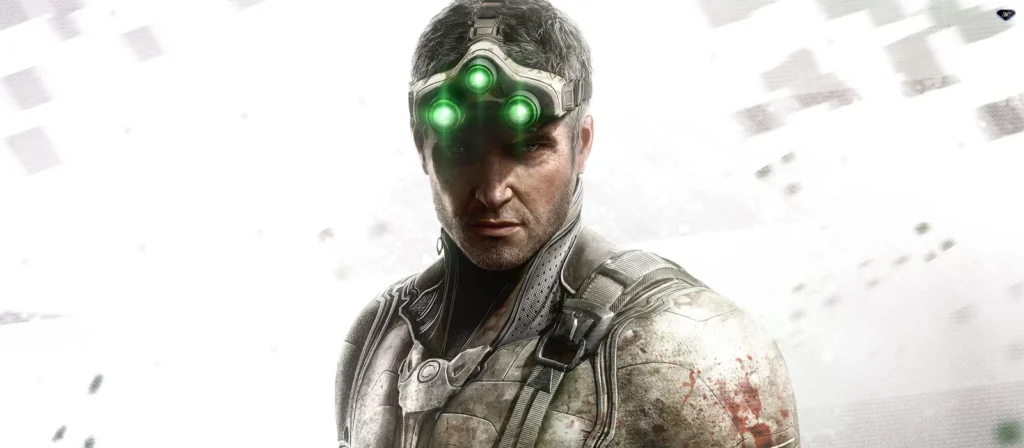
If GTA: San Andreas was the biggest high-profile Meta Quest project to disappear, Splinter Cell VR may be the most obvious example of a game that seemed perfectly suited to VR. Ubisoft announced the game at Facebook Connect in September 2020 alongside an Assassin’s Creed VR project. The company confirmed that Red Storm Entertainment would be working on the game with support from other Ubisoft studios. By January 2021, Ubisoft was advertising 17 positions specifically connected to Splinter Cell VR, including a network programmer role for its planned multiplayer functionality.
There were therefore signs that this wasn’t merely a concept on a slide. The idea itself seemed almost tailor-made for VR. Sam Fisher’s iconic night-vision goggles, stealth mechanics, gadgets and close-range interactions could all have translated naturally into a headset. Even the act of physically peeking around corners or manipulating equipment had obvious VR potential.
But Ubisoft never showed the game. In July 2022, the company confirmed that development had been stopped. Ubisoft’s own financial reporting said it was putting greater focus on its “biggest development opportunities” and specifically cited the decision to stop work on Splinter Cell VR as part of its cost-optimisation strategy.
The cancellation is especially interesting because Ubisoft’s current corporate Splinter Cell page still contains outdated wording saying that Red Storm is leading development on an upcoming Oculus-exclusive VR game. The company’s 2022 financial report is the authoritative record: development was stopped.
The project therefore disappeared without ever showing us what it could do. There was no campaign trailer, no gameplay demonstration and no opportunity for players to judge whether VR was the right fit for Sam Fisher. We can only speculate about how good it might have been.
Tomb Raider VR – Project U
Sometimes a game can be cancelled despite being surprisingly far along. That appears to be what happened with Tomb Raider VR. Unlike GTA and Splinter Cell, this game was never publicly announced while it was in development. We only learned about it in 2026 after Vertigo Games’ Amsterdam studio was closed and development material from the project surfaced publicly.
Internally known as Project U, it was reportedly being developed by more than 50 people using Unreal Engine 5. The project targeted Meta Quest 3, PSVR 2 and PC VR, and development ran from at least November 2024 until its cancellation in January 2026. And this wasn’t simply a prototype.
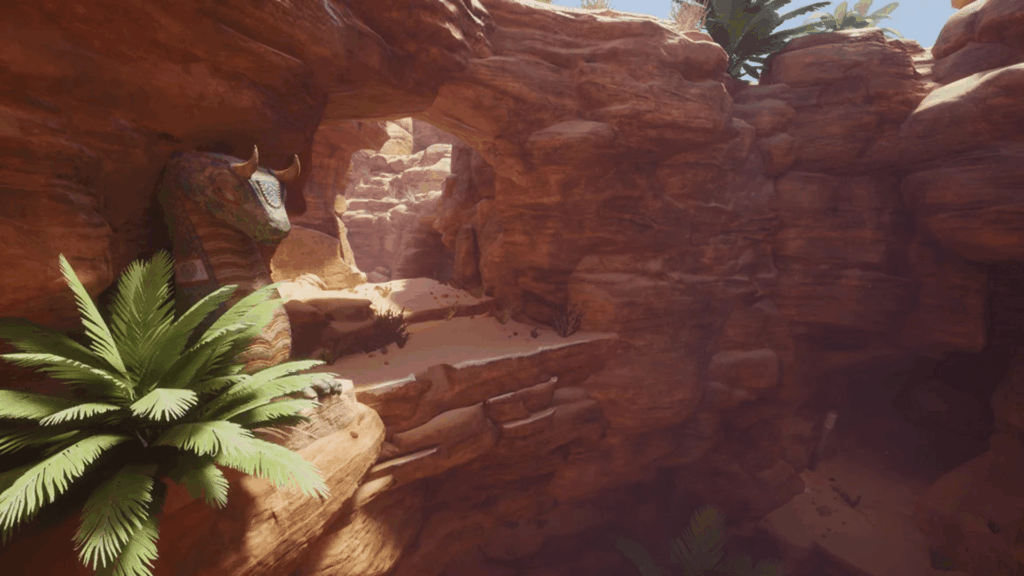
According to reporting based on the development material and the portfolio of a developer who worked on the game, the team reached a vertical slice milestone that received strong praise both internally and externally. The project appears to have incorporated many of the things people have wanted from a full Tomb Raider VR game: climbing, traversal, underwater sections, zip lines, combat and exploration of ancient environments. Concept art and early gameplay material reportedly showed Lara Croft travelling through a Mesopotamian-inspired setting, battling skeletons, scorpions, hyenas and mercenaries.
But it was cancelled. The reported reason wasn’t that the vertical slice had failed or that the concept didn’t work. Instead, the project was reportedly swept away as part of a structural reorganisation in January 2026, months before Vertigo Games subsequently closed its Amsterdam operation. Vertigo Games had already established a reputation for VR-native adaptations, including Metro Awakening. Here was a studio with experience adapting established franchises to VR, apparently sitting on a working Tomb Raider concept. We’ll never know how the final game would have turned out.

Batman: Arkham Shadow – The Cancelled Sequel
Sometimes the lost game isn’t the original. Batman: Arkham Shadow arrived in 2024 as one of Quest’s most ambitious exclusive games, and was very well received. A sequel seemed like the obvious next step. In September 2025, Commissioner Gordon voice actor Mark Rolston confirmed that another Arkham Shadow was entering development. He said they were about to start working on another game in the series. Just four months later, that sequel was gone.
In January 2026, Meta closed Sanzaru Games, the studio behind Asgard’s Wrath, as part of major cuts to its Reality Labs organisation. Sanzaru Games were reportedly developing the sequel. Camouflaj, developer of the original Arkham Shadow, also suffered significant layoffs and would no longer be developing VR games.
It is important to stress that this wasn’t because Arkham Shadow had failed. The original Batman: Arkham series established a formula that has always seemed particularly suited to VR. Arkham Shadow demonstrated that the concept could work on standalone hardware. And then, just as the franchise appeared to be establishing itself as a recurring VR series, the sequel disappeared.
Wanderer 2: The Seas of Fortune
The cancellation of Wanderer 2 is a very different story. The original Wanderer was a well-received time-travel adventure, and Mighty Eyes announced a sequel in February 2024. Wanderer 2: The Seas of Fortune was intended to move the series into the world of pirates, promising swordfights, ship battles and new historical settings. The announcement even teased a location in 1,750 Jamaica. But the sequel never got beyond those early reveals.
In June 2026, Mighty Eyes announced that development had stopped. The studio explained that the VR market had been difficult, and that while Wanderer: The Fragments of Fate had performed solidly on console, the mobile VR market had not delivered the level of uptake the studio had expected. As a result, it could no longer continue supporting the existing game or develop the sequel.
That makes Wanderer 2 a particularly useful example because there was no major creative controversy around the cancellation. It was a business decision. The project was already officially announced. The developer had a clear concept for the sequel. The studio simply couldn’t justify continuing. A game doesn’t have to be broken or badly received for it to disappear. Sometimes there simply aren’t enough players to support the investment.
Mighty Eyes’ own website still contains the original announcement describing Wanderer 2 as being in development, but its June 2026 statement supersedes that information.
The Ready at Dawn Game We Never Got to See
Ready at Dawn produced two of the most influential PC VR games of the first generation: Lone Echo and Echo VR. So when the studio said it was working on its next VR project, expectations were high. Unfortunately, we still don’t know exactly what the game was.
Following Ready at Dawn’s closure by Meta in 2024, co-founder Andrea Pessino revealed that the studio had been working on what he described as one of the “biggest and most revolutionary VR games ever.”
According to Pessino, the project featured unique technology and new approaches to VR. He said development had been progressing well, but the project was also large and expensive. After successive rounds of layoffs reduced the studio below 70 employees, the team no longer had enough people to complete the game at the intended scale. Meta ultimately closed the studio before the project could be finished.
Co-founder Ru Weerasuriya later confirmed that the team had been attempting to do something that hadn’t been done in VR before. There is deliberately no game title here. The project was never publicly revealed, and the developers have not disclosed enough information to reconstruct exactly what they were building.
Ready at Dawn had already demonstrated that it understood VR at a very high level. The studio’s previous work had produced convincing zero-gravity movement, sophisticated hand interactions and large-scale VR worlds at a time when relatively few studios were attempting them.
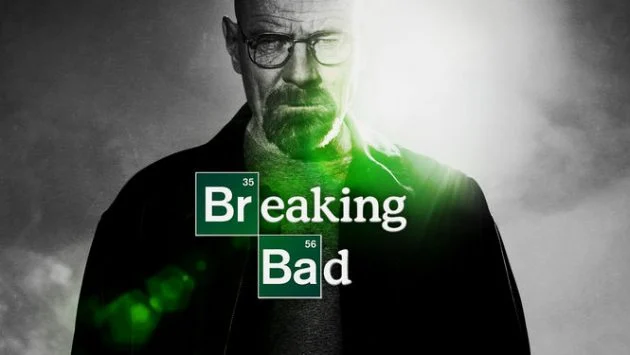
Breaking Bad VR
Not every lost VR project was going to be a traditional game. Back in 2017, Sony Interactive Entertainment revealed that it was working with Breaking Bad creator Vince Gilligan on a non-game VR experience based on the television series.
The project was deliberately experimental. Sony executives described it as a chance to explore how VR could work with a major television property, while Gilligan became particularly interested in the possibilities of the medium. But then, it disappeared. In 2022, Gilligan confirmed that there had indeed been an attempt to create a Breaking Bad VR experience for PlayStation VR. He said a considerable amount of time and effort had gone into several game concepts, including the VR project, but that none of them had reached completion. He specifically cited the difficulty, cost and time involved in creating something genuinely new in VR.
Firesprite was reportedly developing the VR project around 2017–2018, and it was conceived more as a narrative experience than a conventional videogame. Locations including Walter White’s backyard and the New Mexico desert were reportedly part of the concept. Instead, it never came to fruition.
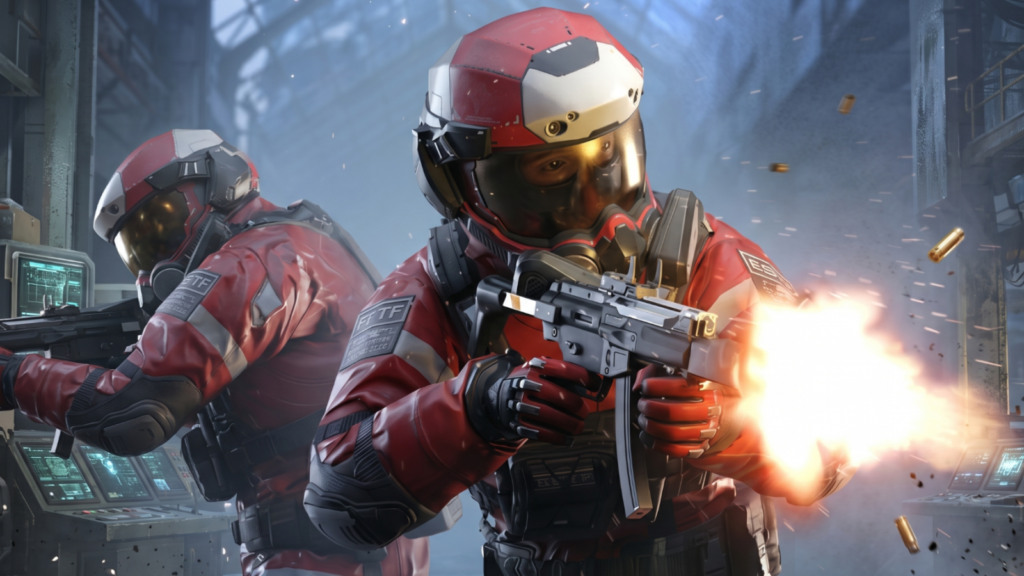
Breachers: Outbreak
This is the newest cancellation on the list, and perhaps the clearest sign of how quickly the VR market can change. Triangle Factory announced Breachers: Outbreak at the Summer 2026 VR Games Showcase in June. It was presented as a four-player co-op zombie extraction shooter set within the Breachers universe, with cross-play between VR and conventional PC players. The project was scheduled for later in 2026. Less than three months after reveal, it was effectively over.
On 10th September, Triangle Factory announced that it was putting development on hold. The developer’s explanation was unusually direct: the company said that building and shipping a high-quality VR game at this scale was difficult, and that the interest it had seen so far did not support continuing the project. Triangle Factory said it would rather stop than release something it wasn’t proud of, while suggesting that some of the work could eventually be incorporated into the main Breachers game.
Technically, this is another case where “cancelled” isn’t the developer’s exact wording. The game is “on hold.”
But with the standalone project removed from its announced release trajectory and Triangle Factory redirecting its work elsewhere, it is reasonable to treat Breachers: Outbreak as effectively cancelled while making that distinction clear.
The speed of the reversal is what makes it remarkable. It was announced in June, expected to release later in 2026. By September, it was gone.
Why So Many VR Games Never Happened
These cancellations don’t all tell the same story. Splinter Cell VR was stopped as Ubisoft cut costs and narrowed its development priorities. GTA: San Andreas VR was put on indefinite hold as Meta and Rockstar focused on other projects. Batman: Arkham Shadow‘s sequel was lost amid Meta’s restructuring and studio closures. Tomb Raider VR appears to have been caught in a corporate reorganisation despite reportedly reaching a successful vertical slice.
There is something particularly frustrating about cancelled VR projects. With a conventional game, concept art or early footage can at least give players an idea of what the finished project might have looked like. With VR, some of the most important things are impossible to communicate that way. How would Splinter Cell have handled stealth when you can physically lean around a corner? What would Tomb Raider feel like if climbing, swimming and traversal were designed around your actual hands?
We don’t know. And we never will.
Some of the games above were probably never going to be as good as their ideas suggested. Others might have been. The important thing is that we’ll never get the chance to find out. And perhaps the most striking part of looking at these projects in 2026 is that several of them weren’t killed because VR had reached the limits of what was technically possible. They were killed because the economics, priorities and structures surrounding VR changed before the games could be finished.
There are undoubtedly many other VR projects that have been cancelled along the way. Did we miss a game that you’d been looking forward to playing? Let us know in the comments below!